Hugo, Colorado: A Town Built by the Railroad
Hugo\'s history is the story of the American West — railroads, homesteaders, ranchers, and a community that has endured for over a century on the Eastern Plains.
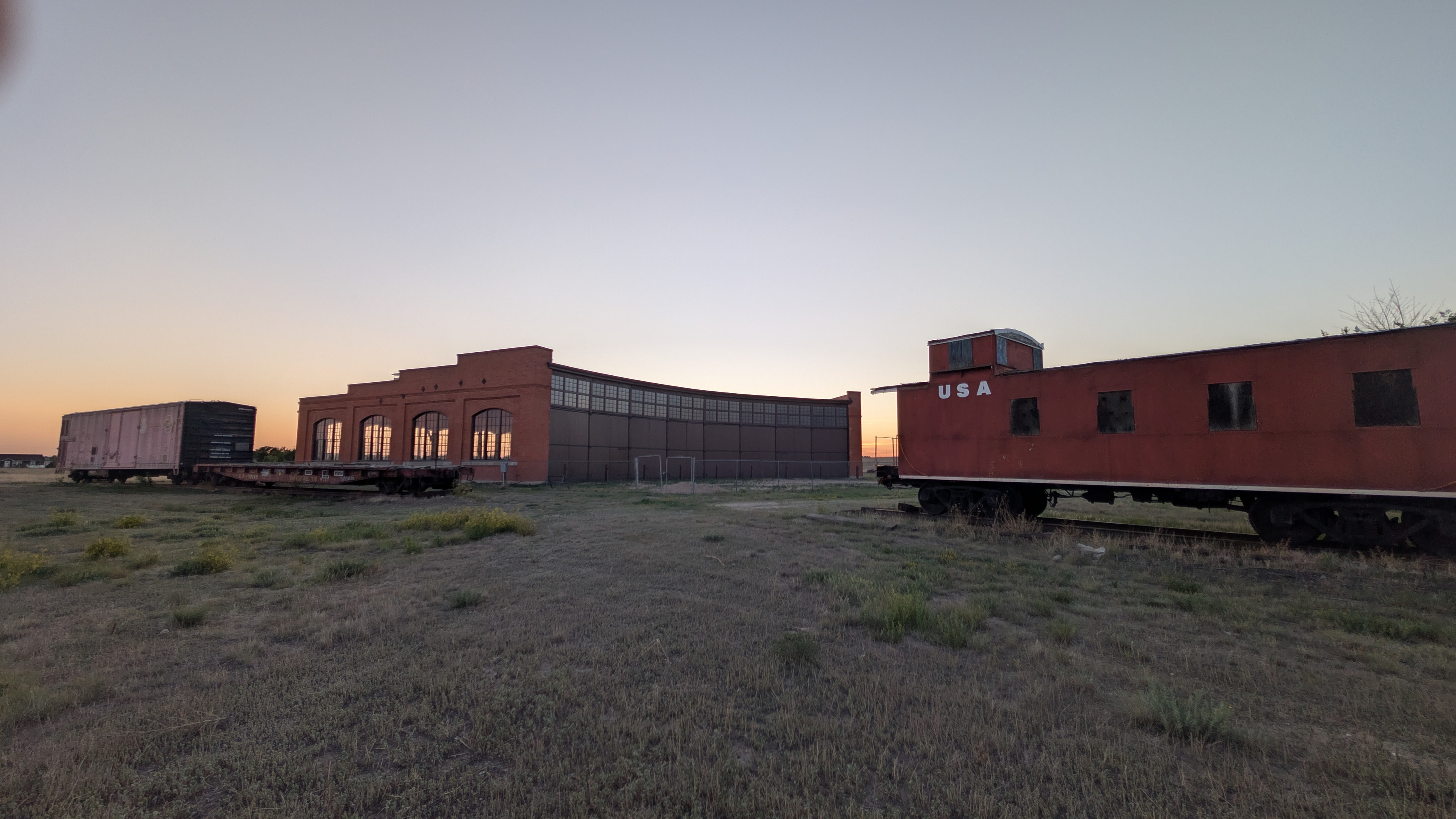
Hugo, Colorado doesn't announce itself. There's no dramatic mountain backdrop, no famous landmark visible from the highway, no tourist infrastructure designed to capture your attention. What Hugo has instead is something rarer: a genuine history, honestly worn.
For over a century, this small town on the Eastern Plains has served as the county seat of Lincoln County, a waypoint on one of the great American highways, and a community that has weathered drought, economic cycles, and the slow demographic shifts that have reshaped rural America. Understanding Hugo's history is understanding a piece of the American West that often goes untold.
The Railroad Comes to the Plains
Hugo's founding is inseparable from the story of the railroad. The town was established in the late 19th century as the Union Pacific Railroad pushed its lines across the Colorado plains, creating a network of small towns spaced roughly every 10–15 miles — the distance a steam locomotive could travel between water stops.
The town was named after Hugo Richards, a railroad official, following the common practice of the era in which railroad companies named new towns after company officers, investors, or family members.
The arrival of the railroad transformed the Eastern Plains. Suddenly, the vast grasslands that had seemed impossibly remote were connected to markets in Denver, Kansas City, and beyond. Cattle ranchers could ship their herds east. Homesteaders could receive supplies and ship their crops. The plains, once the domain of the Cheyenne and Arapaho and then the open-range cattle industry, began to fill with farms and small towns.
Lincoln County and the Homestead Era
Hugo became the county seat of Lincoln County when the county was organized in 1889, named for President Abraham Lincoln. The late 19th and early 20th centuries brought waves of homesteaders to the Eastern Plains, drawn by the promise of free land under the Homestead Act and the optimistic reports of land promoters who described the plains as fertile and well-watered.
The reality was harder. Eastern Colorado receives only 12–15 inches of rain per year — enough for drought-resistant grasses, but marginal for the wheat and corn farming that homesteaders attempted. The boom years of the early 20th century, when rainfall was above average and wheat prices were high, gave way to the devastating droughts of the 1930s.
The Dust Bowl Years
The 1930s were catastrophic for the Eastern Plains. The combination of severe drought, high winds, and decades of over-plowing created the conditions for the Dust Bowl — massive dust storms that darkened the sky, buried farms, and drove thousands of families off the land.
Lincoln County lost a significant portion of its population during this period. Families who had spent decades building farms and communities were forced to abandon everything and move west. The landscape itself was transformed, with topsoil that had taken centuries to accumulate blowing away in a matter of years.
The communities that survived — including Hugo — did so through a combination of resilience, adaptation, and federal assistance programs that helped stabilize the land and the economy. The Soil Conservation Service worked with local farmers to implement practices that would prevent future erosion, and the landscape gradually recovered.
Hugo in the Mid-20th Century
The post-World War II era brought relative stability to Hugo and Lincoln County. US-40, the transcontinental highway that ran through town, carried a steady stream of travelers between Denver and the Midwest, and Hugo's position as a fuel and food stop gave the local economy a reliable foundation.
The construction of Interstate 70 to the south in the 1960s and 70s drew some of that traffic away, but US-40/287 remained an important route, and Hugo retained its role as the commercial and governmental center of Lincoln County.
Hugo Today
Hugo today is a town of roughly 700 people — small by any measure, but remarkably complete for its size. It has a grocery store, a pharmacy, a hospital (Lincoln Community Hospital, less than two blocks from Hugo Inn), schools, churches, and a genuine sense of community.
The Lincoln County Courthouse still anchors downtown, and the historic character of the main street is largely intact. The Old Red Chapel, a historic non-denominational chapel on the edge of town, has been beautifully restored and now serves as a unique event and wedding venue.
Hugo Inn has been part of this community for over 70 years, providing lodging for travelers, families visiting the hospital, workers on extended stays, and anyone who needs a clean, comfortable, affordable place to stay on the Eastern Plains.
Visiting Hugo's Historic Sites
If you're interested in exploring Hugo's history, here are a few places to start:
Lincoln County Courthouse — The historic courthouse at the center of downtown is a handsome example of early 20th-century civic architecture.
Hugo Historic District — The downtown area retains much of its historic character, with buildings dating to the early 20th century.
Old Red Chapel — This beautifully restored historic chapel is available for tours and events. Visit oldredchapel.com for more information.
Lincoln County Historical Society — Local historical resources and archives for those interested in deeper research into the region's history.
Stay Where History Lives
Hugo Inn has been welcoming guests to Hugo for more than seven decades. When you stay with us, you're not just booking a room — you're connecting with a place that has its own story, its own character, and its own quiet pride.
We'd love to have you. Call 719-743-2474 or book online to reserve your stay.
Explore Topics
Written by
Hugo Inn
Content creator and writer sharing insights and stories.